Affected-area review
Discuss the source and timing of the loss, review accessible affected areas and identify where moisture assessment is needed.
WATER DAMAGE
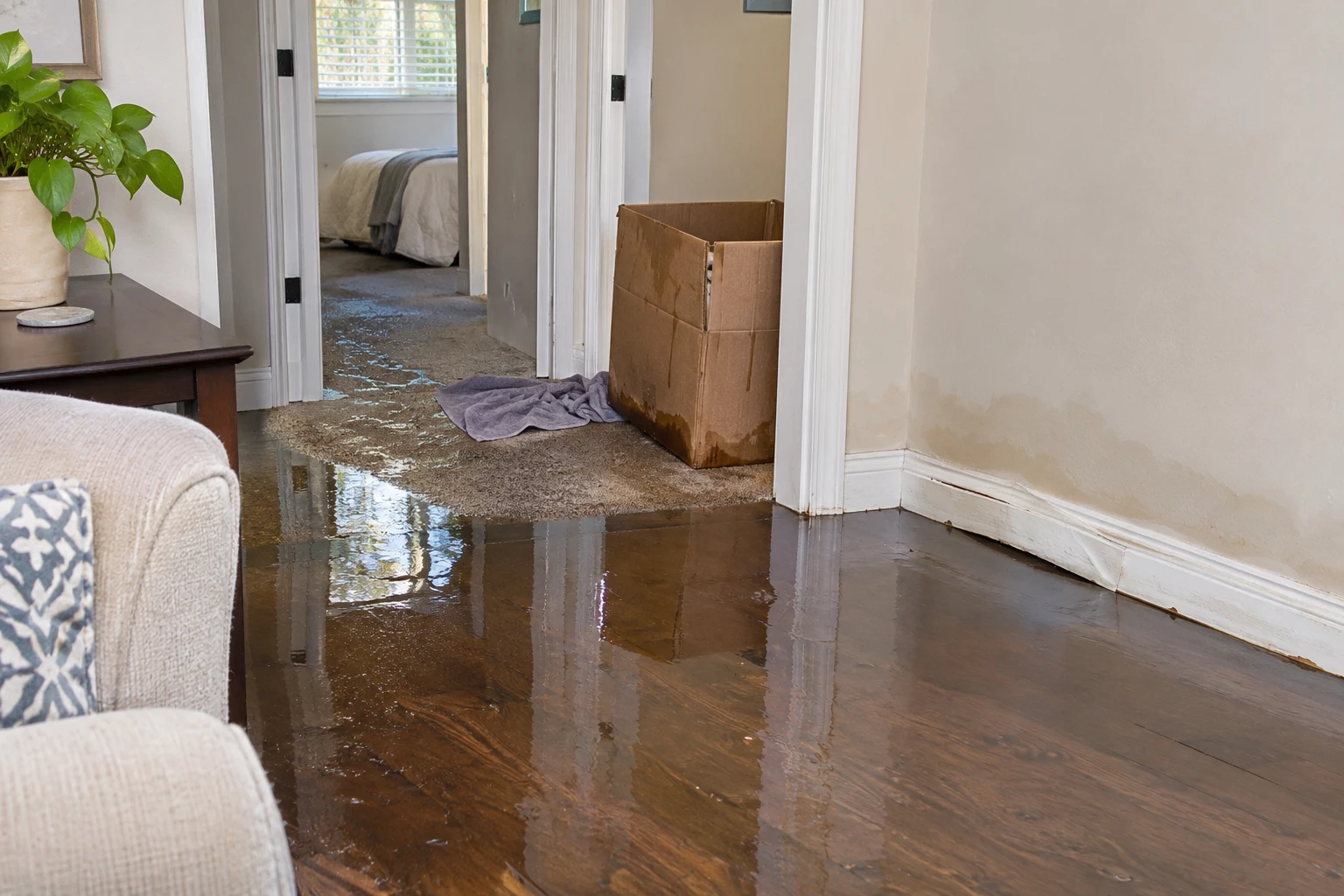
A burst supply line, an appliance overflow or water behind a wall can change your day in minutes. AeroDry Restoration helps you move from uncertainty to a defined plan for extraction, drying and recovery.
AERODRY RESTORATION SERVICES
Explore the stages that may be part of your property’s recovery. The work is defined by site conditions and your authorized scope.
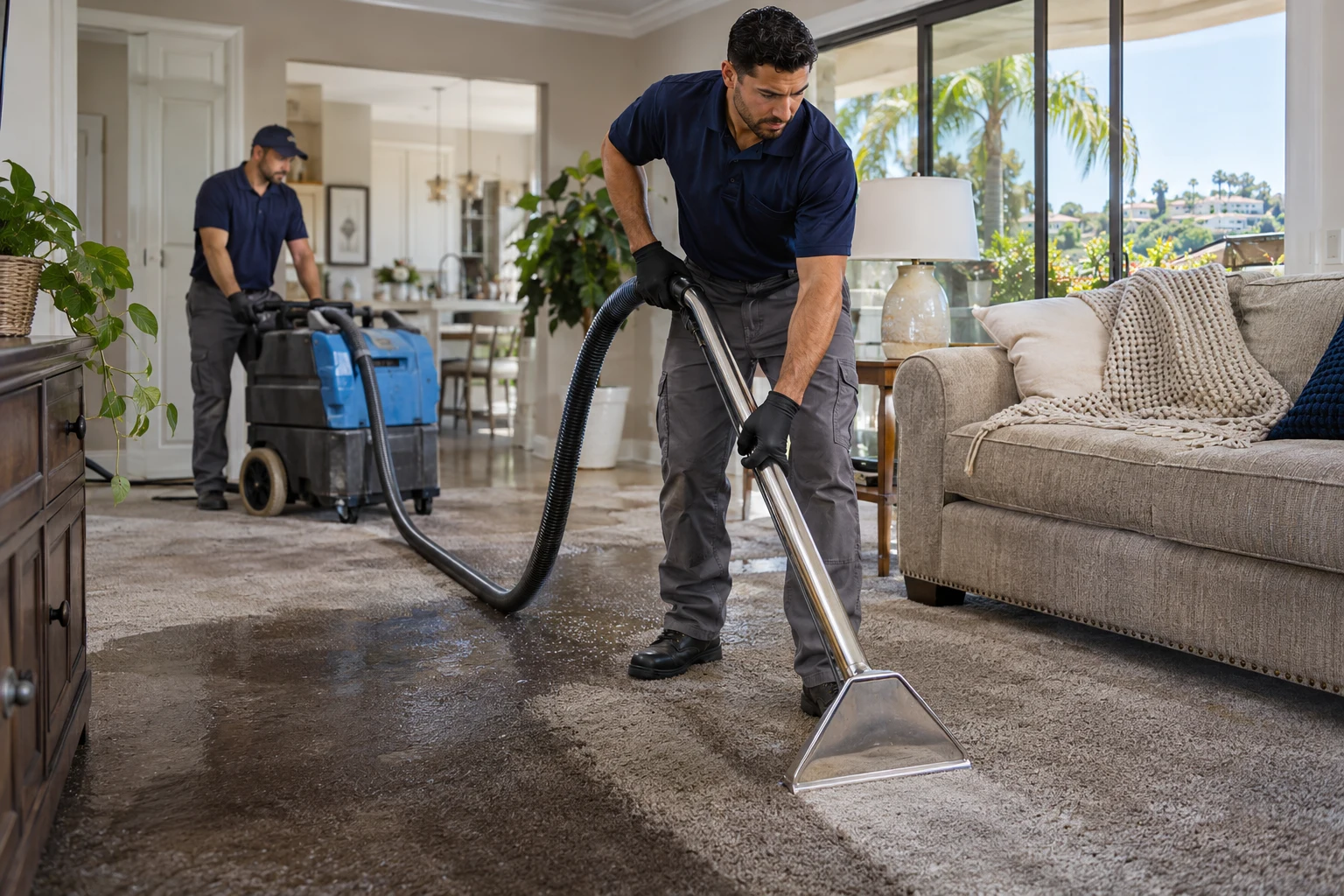
Remove standing water from accessible affected areas and identify materials that need closer assessment.
Explore service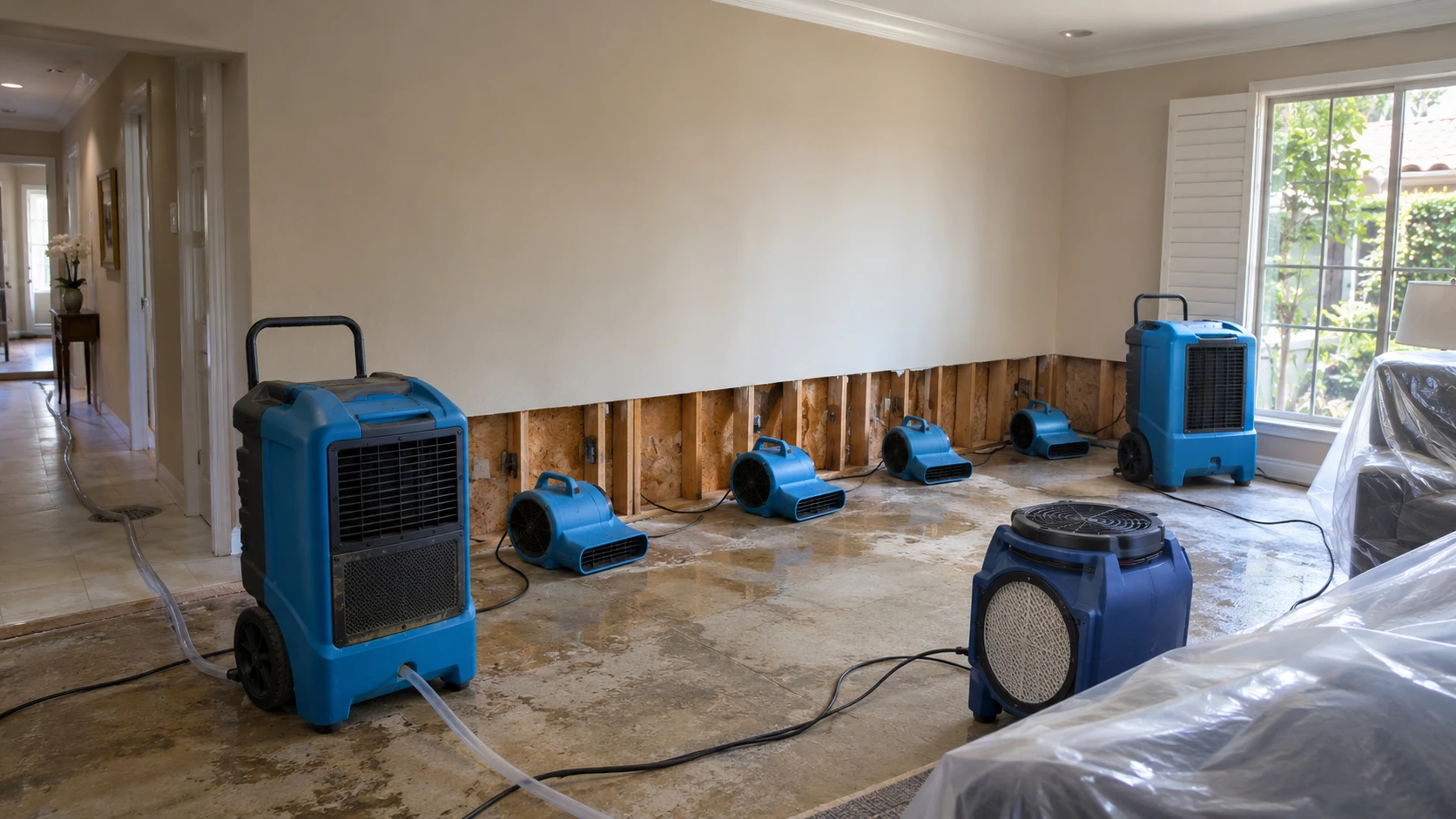
Air movers, dehumidification and moisture monitoring support a measured drying plan.
Explore service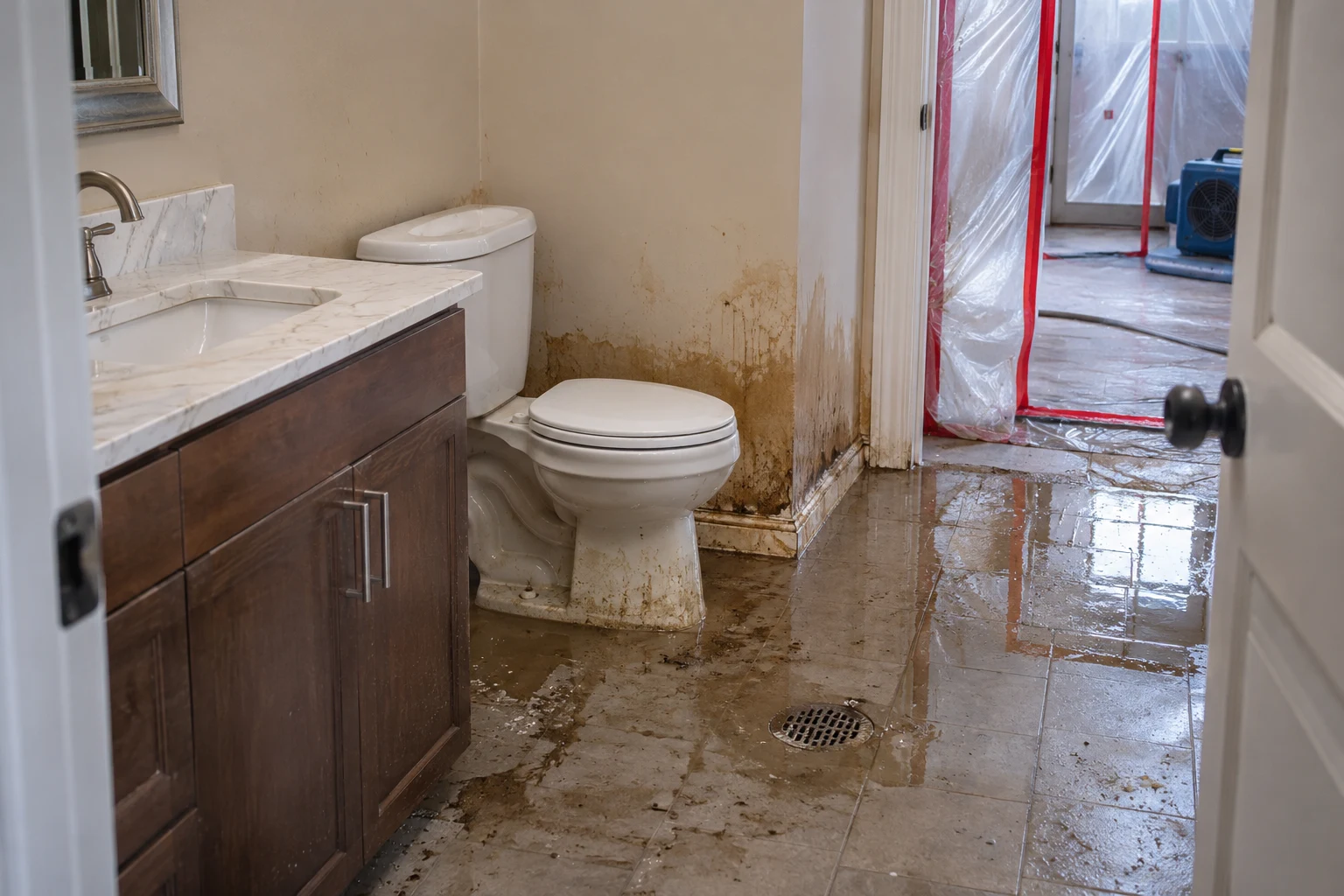
Discuss contamination, affected materials and the cleanup scope for a sewage-related loss.
Explore service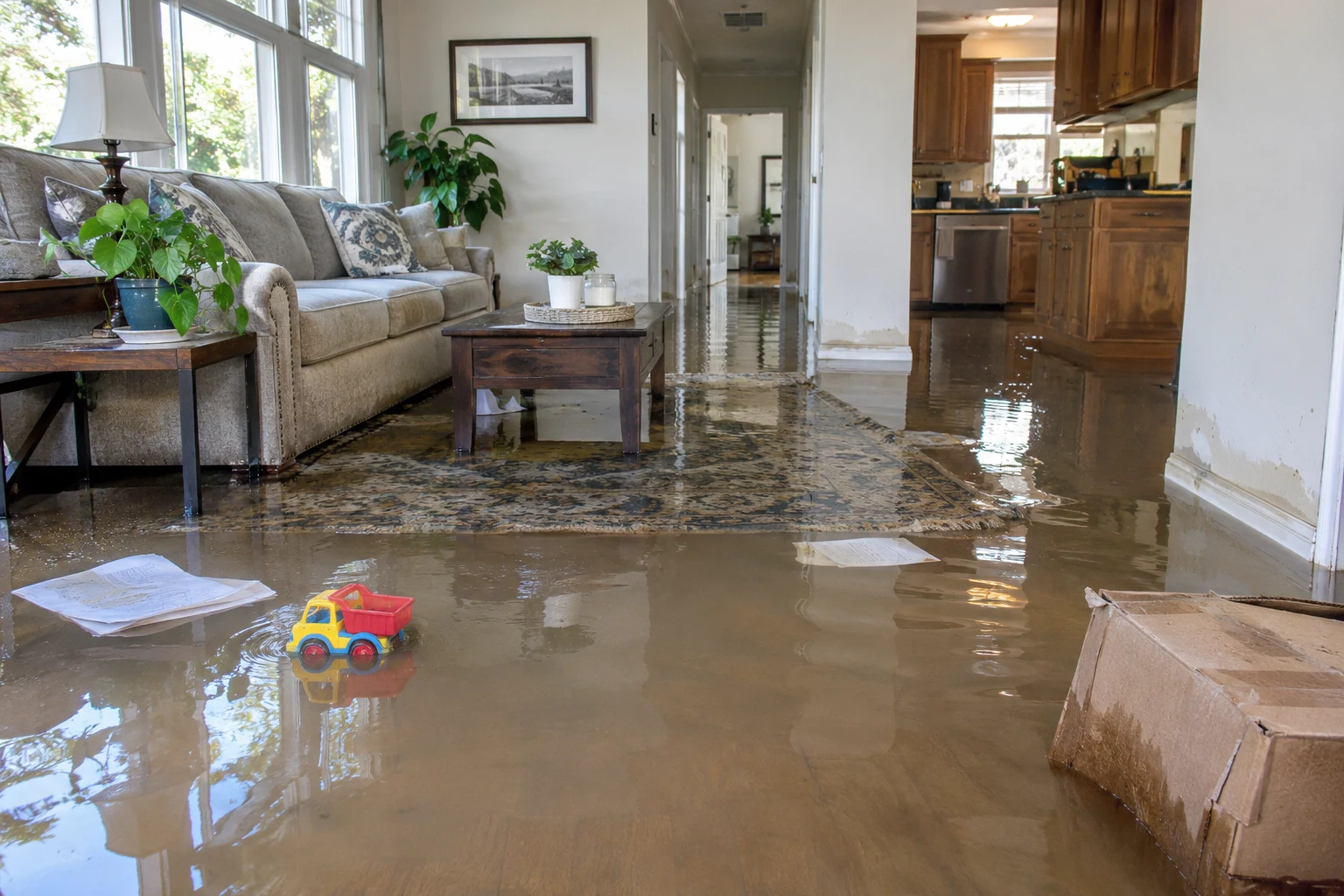
Evaluate wet building materials and interior damage after water enters the property.
Explore service
Inventory and protect belongings that need to move out of affected work areas.
Explore service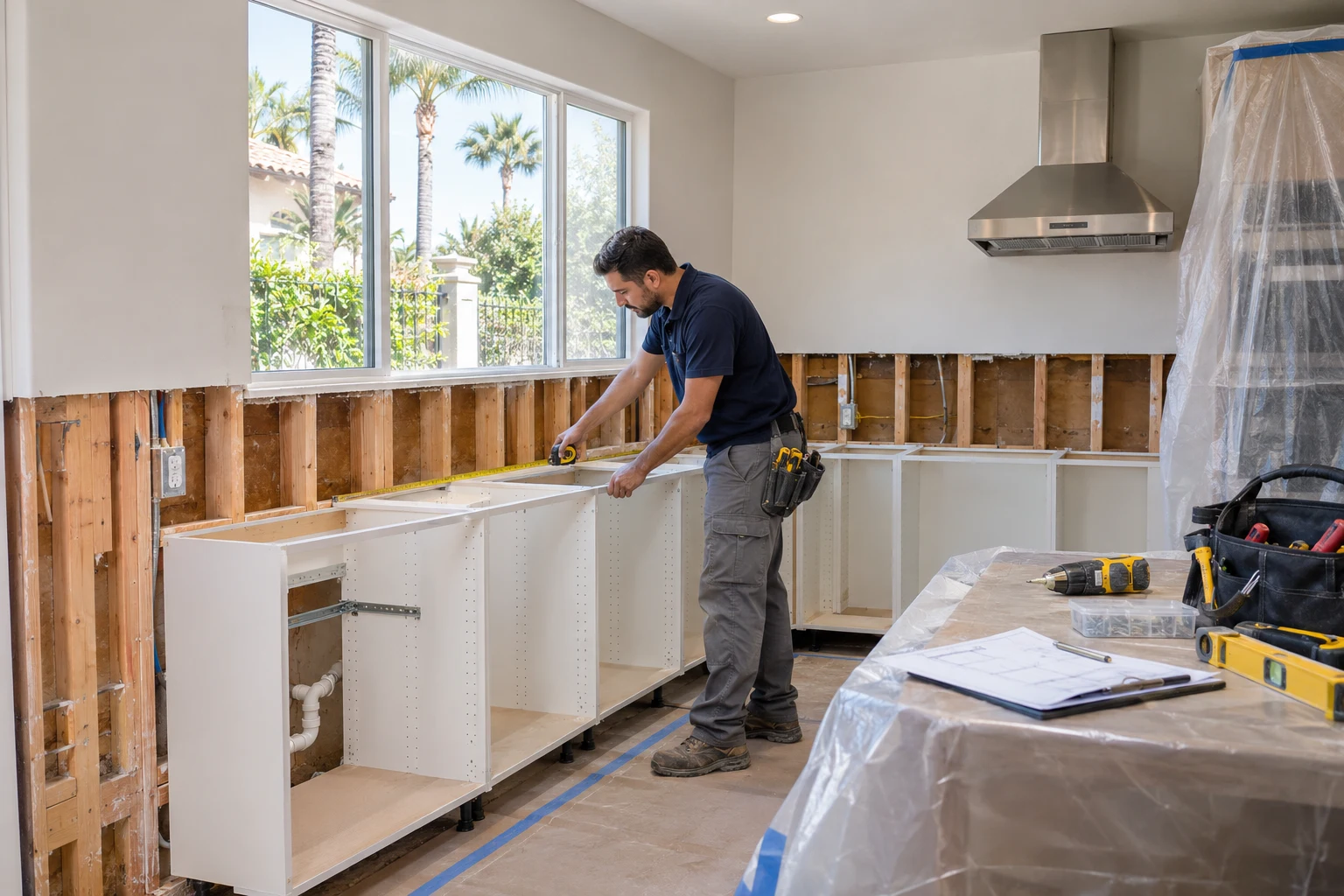
Connect mitigation with the next repair decisions, estimate and authorization.
Explore serviceUNDERSTAND THE CONCERN
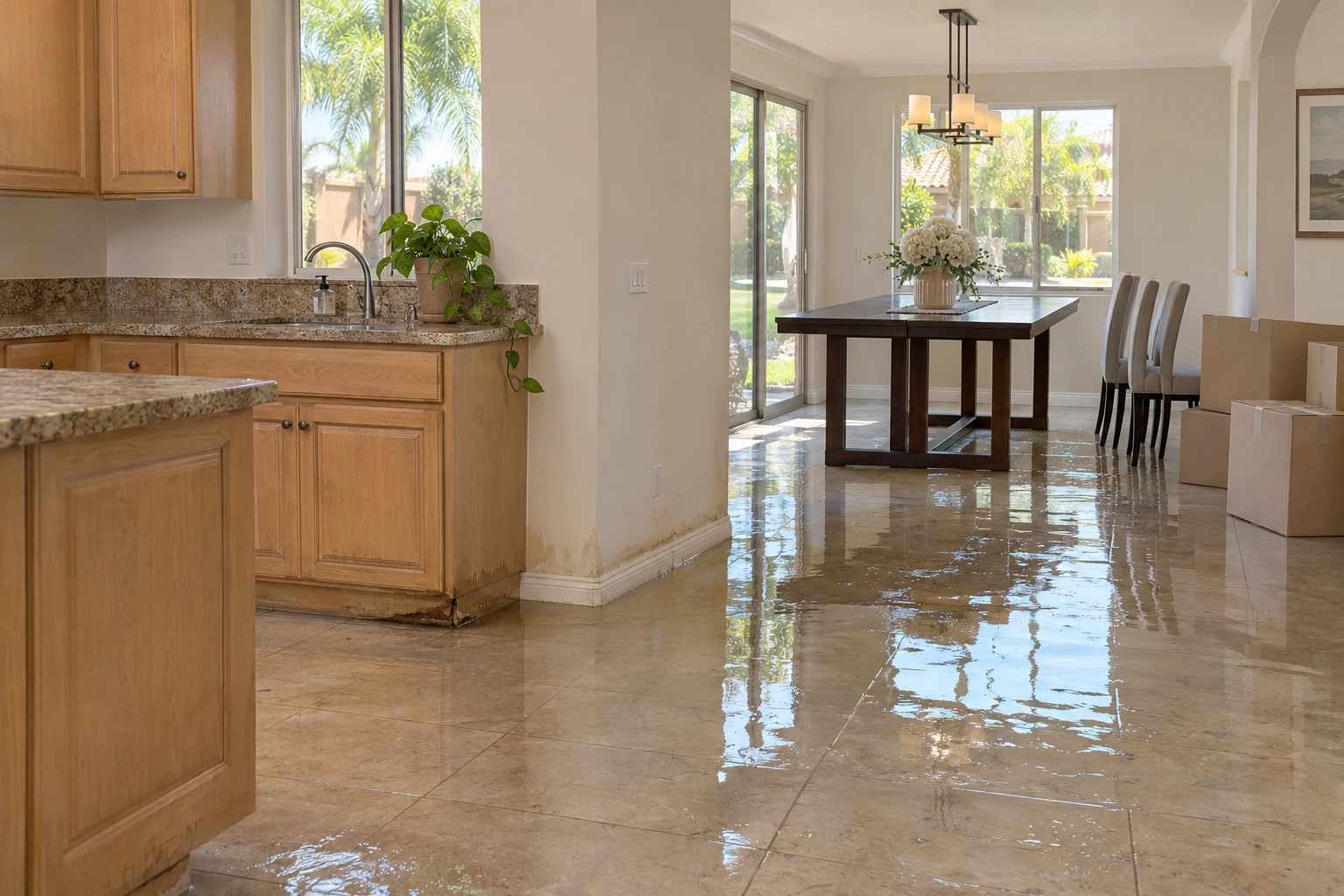
Visible water tells you where a problem showed up. It does not always show how far moisture has traveled. Flooring, wall cavities, cabinetry and adjoining rooms may need attention. A useful restoration scope connects the source, the affected materials and the drying approach instead of treating every leak the same way.
WHAT THE SCOPE MAY INCLUDE
Discuss the source and timing of the loss, review accessible affected areas and identify where moisture assessment is needed.
Plan water removal and the placement of air movement and dehumidification equipment for the conditions at the property.
Use project observations and moisture measurements to guide drying decisions and identify cleaning or repair needs.
A drying schedule depends on the materials, how long they have been wet, the type of water involved and access to the affected areas. The goal is a documented path forward, with changes in the work explained as the conditions become clearer.
QUESTIONS ABOUT THIS SERVICE
There is no dependable one-size-fits-all timeline. Materials, moisture levels, access and the conditions behind the loss affect the drying plan. Ask what measurements will be used to evaluate progress.
Yes. A surface observation alone may not describe the condition of underlying materials or nearby cavities. The assessment should consider where the water traveled.
No. Removing standing water is one part of the job. Drying, affected-material decisions, cleaning and repair planning can also be part of recovery.
WHILE YOU ARRANGE HELP
Keep people and pets away from affected areas. Avoid standing water near electricity or water that may be contaminated.
LET’S FIND YOUR NEXT STEP.
Tell us what happened.
We’ll start with the right conversation.